When you map your standards before you map your lessons, you create a clearer path for both teaching and learning. Starting with the standards helps you make intentional decisions about activities, projects, assessments, and pacing throughout the year.
One of the biggest mistakes middle school ELA teachers make is jumping straight into lesson planning before taking a step back and looking at the bigger picture.
It’s easy to get excited about a new novel, an engaging project, or a fun activity you found online. However, if those lessons aren’t connected to a long-term standards plan, it’s easy to end up with gaps in instruction or discover in April that, although you did some fun stuff, and the kids created some neat projects, there are important standards you haven’t adequately addressed.
Before you start planning daily lessons, take time to map your standards for the entire year.
The first step in long-term planning is to identify all the standards your students need to master by the end of the school year.
Rather than viewing standards as isolated skills, think about how they fit together. Many reading, writing, speaking, and language standards naturally overlap and can be taught through the same units and projects.
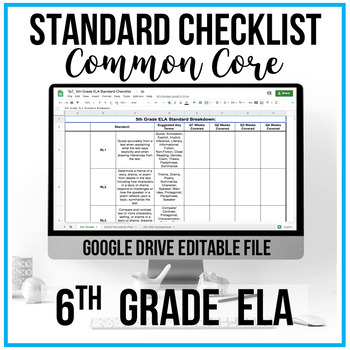
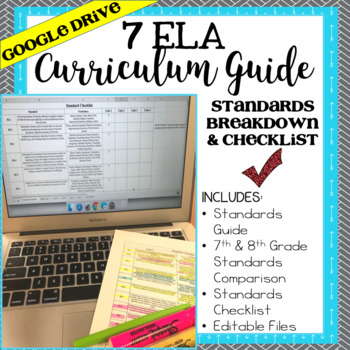
To make outlining standards easier, we have standards checklists that you can use as you figure out your plan.
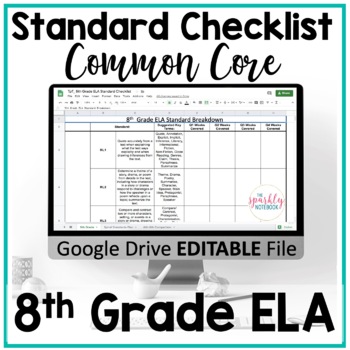
When you map your standards, you’re creating a roadmap that helps answer questions like:
A standards map helps ensure that every skill receives the attention it deserves before testing season arrives.
If you’re working on your yearly planning, you may also enjoy reading “Good Teachers have Great Systems (Build Your Classroom Systems),” where we discuss creating the structures that support successful instruction all year long.

Once you have your standards mapped out, it becomes much easier to select lessons, novels, and projects.
Many teachers plan in the opposite order. They find an activity they love and then try to figure out which standard it might fit.
Instead, try asking:
“What standard am I teaching?”
Then ask:
“What activity, lesson, or project would best help students develop this skill?”
This small shift can completely transform your planning process. It will also allow you to look at the projects you’re excited about more objectively. Sometimes that project doesn’t fit as is, but with some tweaks and additional deliverables and assessments, the project becomes an even better fit for your overarching plan.
When you map your standards first, every lesson has a clear purpose. Activities become tools for instruction rather than the focus of instruction.
One of the greatest benefits of standards-based planning is that projects become more meaningful.
A well-designed project can address multiple standards simultaneously while increasing student engagement.
For example:
Rather than treating projects as “extras,” use them as opportunities to help students apply and demonstrate the skills you’ve already mapped.
These types of projects work best when they’re intentionally aligned to the standards students are learning.
Another helpful strategy is grouping related standards together into instructional units.
For example, a literary analysis unit might include:
An argumentative writing unit might include:
When you map your standards into logical clusters, your units become more cohesive and students see stronger connections between skills.
This approach also makes assessment easier because you’re evaluating several related standards instead of teaching and testing them in isolation.
Not every standard should be taught once and then forgotten.
Many ELA standards require repeated exposure and practice.
When you map your standards, identify which standards will appear multiple times throughout the year. Reading comprehension, text evidence, vocabulary, and writing skills often benefit from ongoing reinforcement.
Think of your standards map as a spiral rather than a checklist. Students grow through repeated opportunities to practice skills in different contexts.
At the end of the day, your standards are the destination. Lessons, activities, novels, and projects are simply the vehicles that help students get there.
Before you start filling your planner with daily lessons, spend time creating a standards roadmap for the year. Your future self—and your students—will thank you.