
Let’s dig into one of the ELA projects from a previous post. In this post, we’re expanding on the Museum Exhibit for the ELA classroom.
Throughout this series, we’ve explored how to design meaningful large projects in middle school ELA. We’ve talked about classroom setup, timelines, materials, and novel-based projects.
Today we’re building out a cross-curricular project that blends ELA with social studies: the Museum Exhibit Proposal. We first talked about this idea in our blog post called 5 Cross-Curricular Projects that Blend Middle School ELA with Other Subjects.

Cross-curricular projects help students recognize that literacy skills are not limited to English class. Reading, writing, research, and communication are tools students use in history, science, math, and nearly every career path.
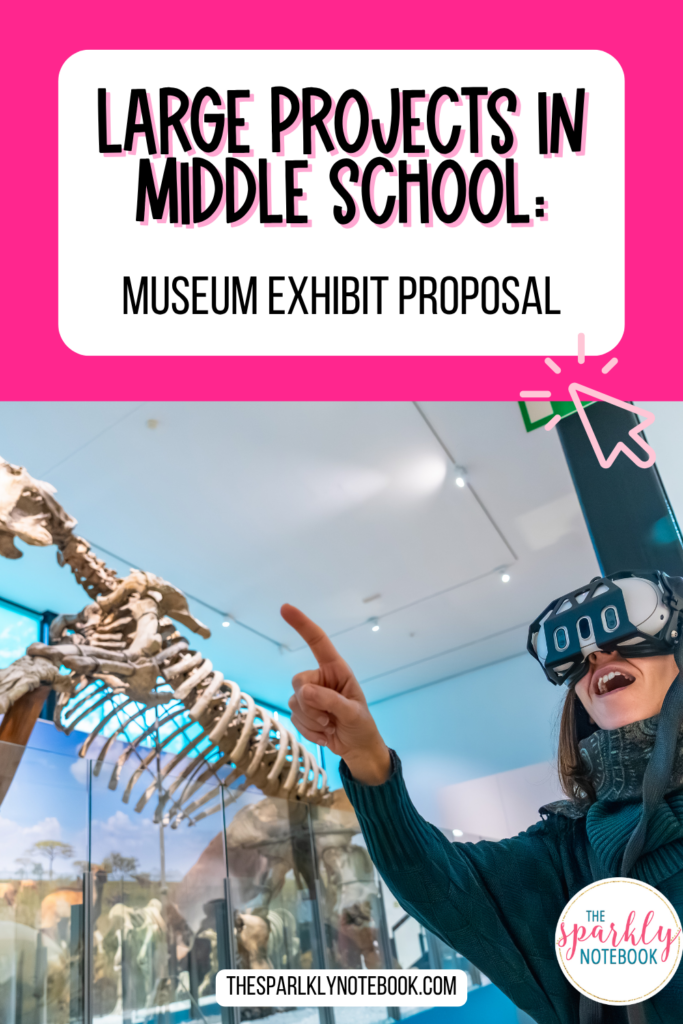
The Museum Exhibit Proposal project asks students to think like historians, designers, and persuasive writers as they create a proposal for a museum exhibit based on a historical topic.
In this project, students design a proposal for a museum exhibit focused on a historical event, era, or theme. Suggestion: To make this super special, base it on the time period of a novel or text you’ll read in class.
Students conduct research, select or create “artifacts” that represent the story they want to tell, and explain how those artifacts help visitors understand the historical topic.
The project includes both research and persuasive writing, which makes it an excellent cross-curricular assessment for middle school ELA.
In addition to working both with history and ELA skills, you can also pair up with an art or technology class to help create the chosen “artifacts” for the exhibit. This is a great way to work on different art techniques or even 3D printing.
As a part of this project, students will create the following deliverables:
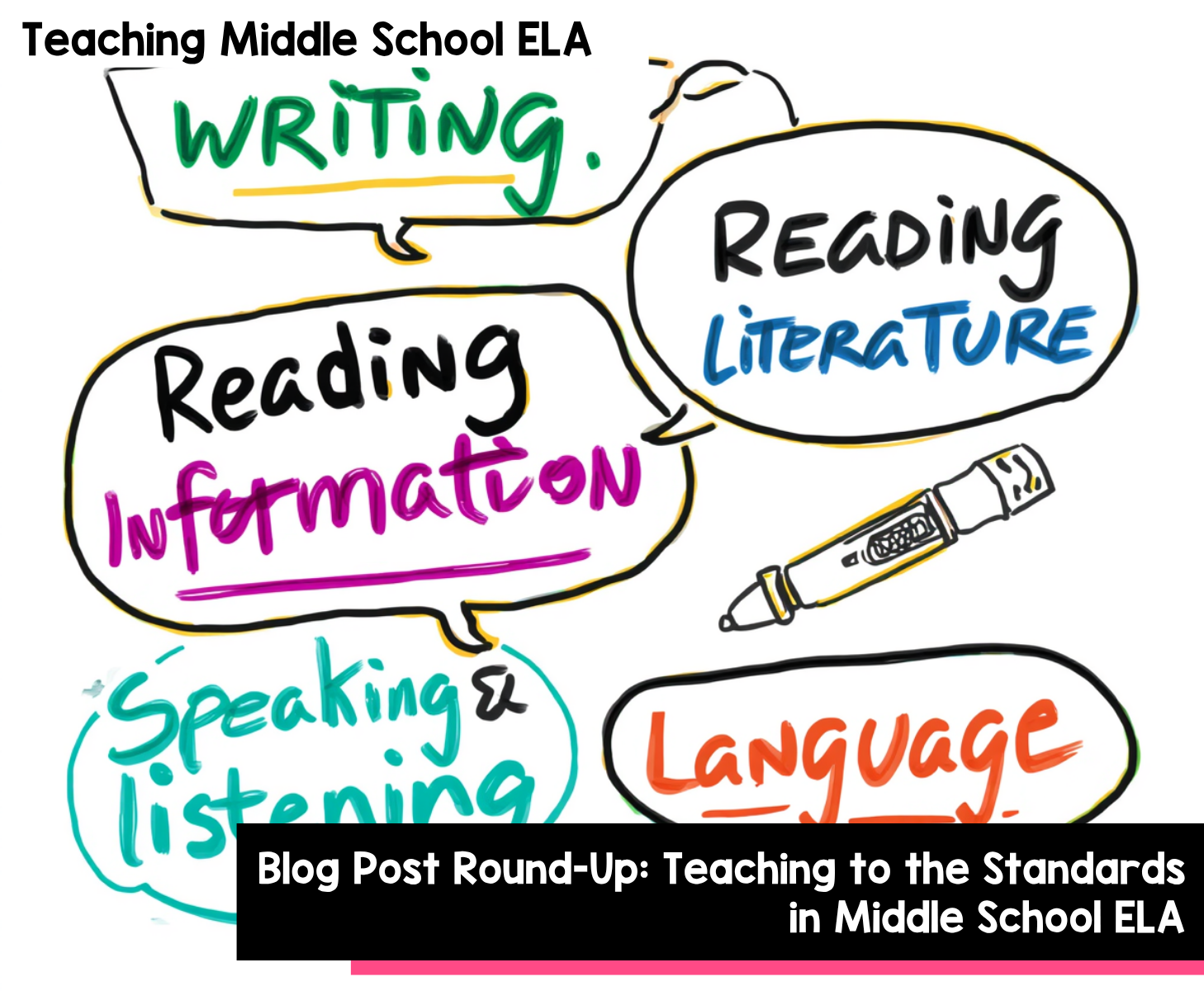
While the project focuses on historical content, the literacy skills involved are deeply rooted in ELA standards.
Students begin by selecting a historical event, era, or cultural theme to focus their exhibit on.
Examples might include:
You may want to coordinate with the social studies curriculum so students are researching topics they are already studying in another class.
This helps students see how research and writing skills support their learning across subjects.
Once students have selected their theme, they begin researching.
Students will want to learn all they can about the era/event chosen and what was going on then. Have them spend a couple of days researching to learn as much as possible about this era. As a setup for this part of the process, consider asking students to present their findings to the group or to put together a slideshow for you to review.
The research component may include:
Encourage students to use multiple sources and record their findings carefully. This is a great opportunity to reinforce research skills, including identifying reliable sources and summarizing information accurately.
This stage mirrors many of the research and informational writing skills discussed in our post Real-World ELA Projects: 20 Authentic Ways to Apply Middle School English Skills, where students apply literacy skills to authentic topics.
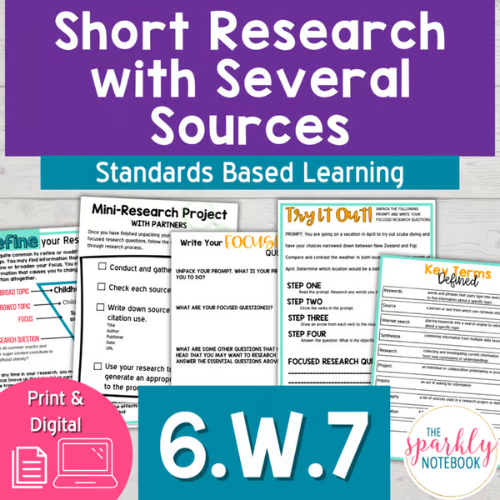
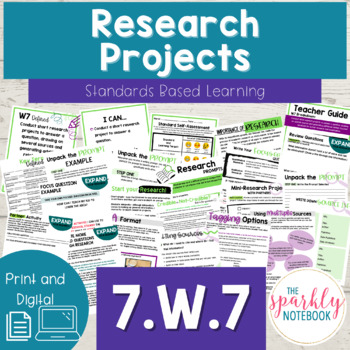
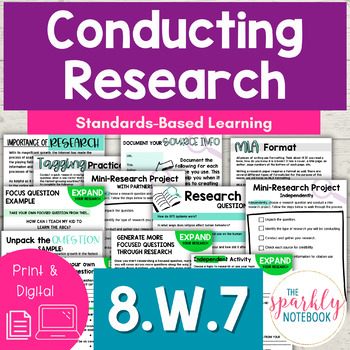
For more help with teaching research and citing in your middle school classroom, check out our standards-based units for the W.7 standard.
After completing their research, students begin designing their exhibit around a specific part of it. It may be a certain person, a specific event, or even a general concept like the architecture from the time or the clothing.
To begin, brainstorm all the topic options, then assign each idea to a student or have them select one from the list.
They must decide which artifacts best tell the story of their topic and how to display them.
Artifacts may include real historical objects, photographs, documents, or recreated items based on research.
This is where working with an art class or a technology class could be really powerful. Have students pair up with people in these classes, put together a list of artifacts, and a plan for creating them. Encourage students to use multiple media, such as clay, wood, metal, and 3D printing, to create replicas of the chosen artifacts.
If choosing to work with other classes, give the students ample time to meet, create, and edit together. This collaboration is highly valuable and hits on some of the additional speaking and listening standards for middle school.
Each artifact should include an explanatory label similar to those seen in real museums. These labels typically describe:
Students should select three to five artifacts that clearly communicate their historical narrative.
Next, students write a curator’s statement explaining the purpose of their exhibit.
This statement introduces the exhibit and explains why the topic matters. It should answer questions such as:
This portion of the project allows students to practice explanatory writing while organizing ideas logically and supporting them with evidence.
To add a persuasive component, students also write a letter requesting funding for their museum exhibit.
In this letter, students must persuade a museum board or sponsor that their exhibit deserves financial support.
This stage reinforces argumentative writing skills and encourages students to consider audience and purpose.
As this step may require students to dig into how funding is secured, it may be a little over the heads of your middle school students; however, high school students may be able to handle it better. This is a totally optional component.
Set up the exhibit.
This is best done in a larger room (like the school library) if you have access to one. We also suggest setting it up before conferences or a day when parents will be walking through.
To create their display, students will print pictures, make their own examples, or source similar items to the ones they chose to make an in-person exhibit in the classroom.
They will then add their curator’s statement and any other details they think will make their display more interesting.
To keep the project organized and manageable, you may want to assess and create checkpoints around the following components:
You might also include a short reflection asking students what they learned about their historical topic and how the exhibit helps communicate that story.
Cross-curricular projects like the Museum Exhibit Proposal help students see that reading, writing, and communication are not isolated skills used only in ELA, and that these skill can be paired with history, art, and technology as well as many other subjects.
They are tools used to explore history, analyze information, and communicate ideas clearly.
When students apply literacy skills to real-world topics like museum exhibits, they begin to understand the true purpose of what they are learning.
If you are looking to expand your large ELA projects beyond novel studies, this is a great place to start.
And if you want even more ideas like this one, be sure to revisit our post:
Real-World ELA Projects: 20 Authentic Ways to Apply Middle School English Skills.