A description of how to create a middle school ELA pacing guide with helpful resources and tips.
If you’re new to teaching, or just new to middle school ELA, you’ve probably heard the term pacing guide thrown around a few dozen times already.
And if you’re anything like I was in my early days, you probably smiled and nodded while secretly wondering…
Wait… what IS a pacing guide?
Do I need one?
What does a pacing guide look like?
Today, we’re hoping to clear up any questions you have, and provide some tips to help you focus you as you create a pacing guide for middle school ELA.
A middle school ELA pacing guide is basically your teaching roadmap. It helps you answer the big questions:
At its core, a pacing guide is meant to keep you on track, making sure that all of your required standards are covered by the end of the school year.
A good pacing guide for middle school ELA also helps you avoid the dreaded end-of-year scramble where you’re trying to squeeze seven standards into the last three weeks of May. (Let’s be honest, most of us have been there.)
Depending on your school or district, there are two common pacing guides that you might be asked to create:
This one zooms in on a single unit. It includes all the same pieces as the yearlong guide but focuses just on one standard or concept. This kind of guide works perfectly with The Sparkly Notebook’s Standards-Based Product Line, where each unit is already organized by skill, concept, assessment, and aligned activities.
A pacing guide is not your daily lesson plans. It’s not a minute-by-minute script or a color-coded masterpiece.
A pacing guide is a flexible framework, something that helps you stay focused but allows room for reteaching, review, assemblies, and those surprise fire drills.
Even if your school doesn’t require it, creating a middle school ELA pacing guide is so worth it. Here’s why:
And trust me, future you will thank you for having a solid plan in place.
If the idea of building your own pacing guide from scratch feels overwhelming, don’t worry, we’ve got you covered. The Sparkly Notebook offers full-year ELA curriculum bundles for grades 6–8 that already break down the standards and structure your pacing for you.

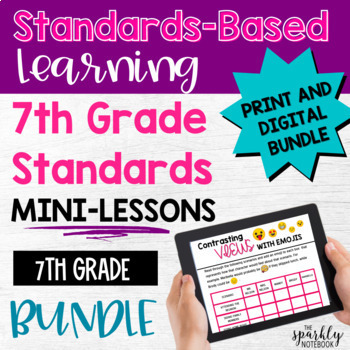
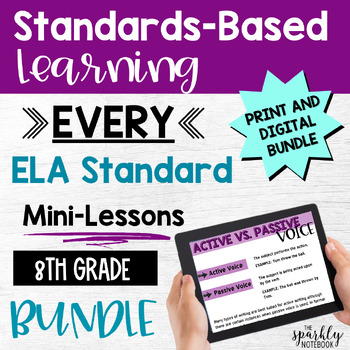
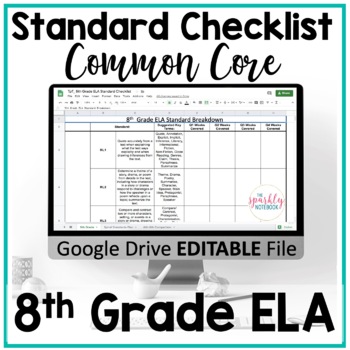
Pair those with our Middle School Standards Checklists to keep your planning intentional and standard-aligned from the beginning.
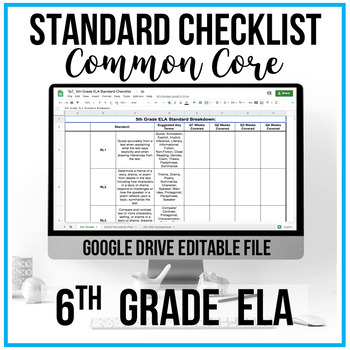
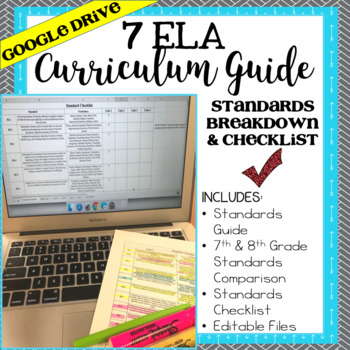
You might also find these posts helpful while mapping things out:
Creating a pacing guide might not be the most glamorous part of teaching, but it’s one of the smartest. It keeps your instruction purposeful and your stress levels in check, and once you’ve got it in place, it becomes one of those tools you never want to teach without.
So go on, make your plan. Future you (and your students) will be so glad you did.
Happy Planning!