

Setting goals for a stronger second semester should be on every first-year teacher’s to-do list as you enter winter break!
Congrats on making it through your first semester as a teacher! Yay! You did it!
Now that you’re halfway through the school year, you have a much better grasp of what this teaching thing actually takes. So now, it’s time to reflect and improve. Today, we’re giving you some topics to reflect on with the goal of helping you assess how you did and find areas where you’d like to improve going into the second semester.

We’re going to start with the biggie: how is your classroom management going?
The second semester is a great time to set new boundaries, procedures, and expectations in your classroom. Depending on how your school is set up, you may have a brand-new group of students going into the second semester, which makes it the perfect time to reevaluate classroom management in middle school.
If you have the same group of students again, it’s okay to come into the classroom and change things up. Just be honest with your students. Tell them things haven’t been working very well, and you think that you can do better.
As you consider what new boundaries, procedures, and expectations you want to have for your classroom, talk to seasoned teachers and other people who work with this particular group of students to see what has been working well for them. You might also use this time to read a few books on classroom management as a way of generating some ideas moving forward.

Now that you’re more familiar with your content, this may be a good time to introduce some new learning opportunities for your students. Try introducing things like project-based learning, collaborative activities, or maybe even some new tech tools that you think your students might be interested in.
Challenge yourself to try at least one or two new methods in the second semester that you didn’t try in the first. Although it’s sometimes hard to try something new, remember that you’ve already been working with these types of students for a whole semester, and now you’re less likely to be surprised by how they handle new tasks and challenges.
The second semester is also a great time to really work on boosting student engagement by adding in topics and activities that you know your students enjoy. You can implement this strategy by asking students to fill out a questionnaire or give you feedback on which activities have been their favorites.
You may also spend some time talking with other teachers who teach the same students as yours to see if there are ways to introduce more collaboration between classes. This can help boost student interest. Often, as students see you get more creative with your teaching, they are also more likely to become more creative as well.
One way to get student’s interests into the classroom is by using hand-picked paired passages. Check out our high-interest paired passage options by clicking here! *There are informational bundles or argumentative bundles…or you can grab these which include both bundles!


Next, let’s spend some time talking about personal goals and how you can improve personally going into the second semester.
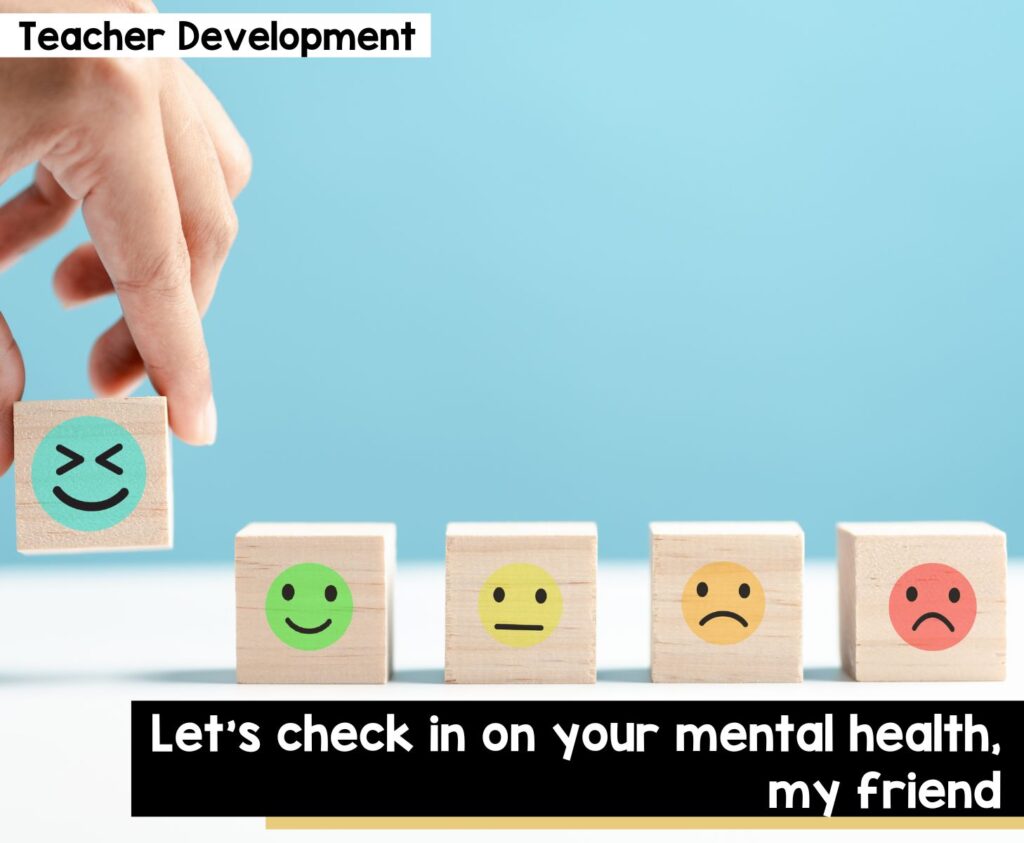
By now, you should have been getting a paycheck for at least 4 or 5 months. Start setting aside some of that money for self-care activities. This may involve engaging in a new hobby, taking yourself out to a movie once a month, or even getting a massage on your days off from school.
Make investing in self-care part of your monthly budget, and don’t feel guilty about taking some time for yourself or trying something new. Teaching is really hard. It uses up a lot of our creativity and mental energy, often leaving little time for anything else. Schedule self-care activities well in advance, and make them a priority. You should never cancel self-care opportunities on your calendar. If you can’t make a date work, always reschedule.


Next, take some time to connect with colleagues. Seek out a few people in your school and have some actual conversations with them. Other teachers understand what your day-to-day life looks like, and they can be some of the best people to talk to about what’s going on and to gain insights into the situations you’re facing at school.
But don’t stop at just talking about school. You also need to take the time to actually learn about your colleagues. Ask them a few pointed questions about their lives, how their break was, or any other details that you think they would want to share. The goal of your initial conversations with your colleagues is to get them to talk more than you do.
After the first semester, it’s also a great time to seek out professional development opportunities. Not only will these opportunities often count toward your recertification credits and other educational requirements, but they will also put you in a room with people who are working on the same kinds of things that you are.
Many first-year teachers haven’t been out of school that long, but prior to teaching in the actual classroom, you didn’t really know what you didn’t know. Now that you do, you know what kinds of opportunities you need to be looking for to expand your understanding of teaching middle school students.
Finally, embrace the growth mindset. You are just learning. You have only completed one semester of teaching, which means that you’re still a novice as far as teaching is concerned. You have a lot to learn, and even though you’re expected to know everything when you’re standing in front of your students, other teachers, administrators, and parents don’t necessarily have that same expectation for you.
Take the time to learn from others, acknowledge your own mistakes and shortcomings, and look for opportunities to improve. Even the hardest days as a teacher can come with great learning opportunities. Don’t be afraid to talk through situations with other teachers, and seek advice and ideas from others when necessary.
Want to work on a growth mindset with your students, too? Check out this growth mindset, digital activity bundle!
You are going to continue to grow, and eventually, you’ll feel like you’ve got this teaching thing figured out… just in time for a new group of middle schoolers to walk through the door.