


Enjoy this multi-day creative writing project that will allow your students to enjoy the warmer weather while also working on developing their descriptive writing skills. This is a great project for the last month of school, after testing is done!
As the weather starts to warm up, keeping students focused can feel like an uphill battle.
They’re looking outside.
They’re thinking about being outside.
They’re definitely not thinking about writing detailed paragraphs at their desks.
So instead of fighting it, let’s use it.
This project combines creative writing, collaboration, and real-world observation to help students build one of the most important (and often weakest) parts of their writing: setting and description.
If you’ve read our post on Outdoor ELA Activities for Middle School: Take Learning Outside This Spring, this project takes that idea one step further by turning outdoor learning into a structured, multi-day writing experience.

This is a multi-day creative writing project where students:
By the end, students don’t just have a story, they have a story with a vivid setting that their readers can relate to.
Before going outside, students will begin this creative writing project by writing the beginning of a short story with a partner.
The Only Rule:
Your story must take place outdoors.
This keeps creativity high while still guiding the direction of the project.
What Students Should Focus On:
Since we are going to add a bunch of descriptive elements to this story, we do want it to be intended for a middle school audience. At this stage, we expect that the writing will likely be basic in terms of description, and that’s exactly what we want.
We’re setting them up for growth.
Now it’s time to shift from imagination to observation.
Take students outside and give them a clear purpose:
“Today, you are collecting details to make your writing stronger.”
Have students record:
Encourage them to slow down and really notice their surroundings. Require that they write down at least 8 strong words about each experience. Meaning small filler words (i.e. and, if, I, my, me, etc.) don’t count.
Example: Bird, chirping, singing, fluttering, tree, above, flying, sporadic
Example #2: Smell, Barbeque, Meat, Smoke, Drifting, Strong, taste, hungry
This is where their writing starts to transform because these words can be formed into strong descriptions of their experience when they begin to add them to their story. Coming up with these words would be very difficult for an individual student, but two students working together should be able to come up with relatable words through their unique experiences and connotations with the subject matter.
Before or after going outside, introduce strong examples of descriptive writing.
Focus on:
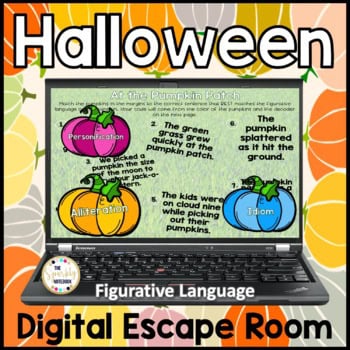
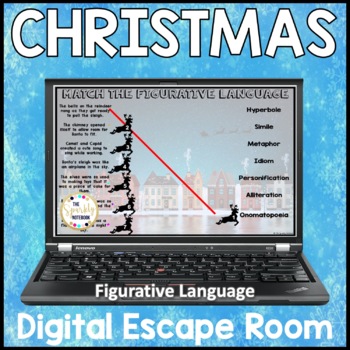
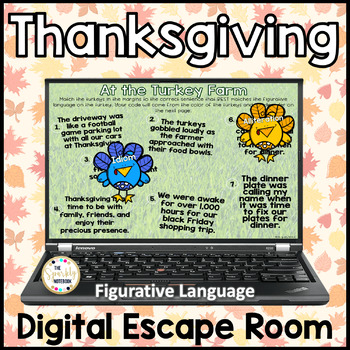
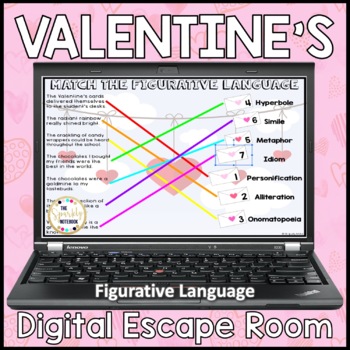
This is a great opportunity to spiral in skills from your figurative language units. If you’ve used any of our Figurative Language Digital Escape Rooms or seasonal activities like our Valentine’s Day or Halloween resources, students already have a foundation you can build on.
Let students see how writers take simple observations and turn them into powerful descriptions.
Click on the images below to take a closer look at our Figurative Language Digital Escape Rooms.

Now students return to their original story and begin revising.
Take your real-world observations and weave them into your story.
They should:
This is where the real learning happens. Students see how writing improves through revision.
This creative writing project is powerful because it separates the writing process into clear phases:
Instead of overwhelming students by asking them to do everything at once, you are helping them build writing step by step.
Sometimes the biggest shift in student writing doesn’t come from another worksheet.
It comes from a simple change in environment.
By getting students outside to enjoy this creative writing project and giving them a purpose, you’re not just increasing engagement. You’re helping them experience what strong writers actually do.
They observe.
They notice.
They use real experiences to create writing that readers can really connect to.


