Let’s be honest, teaching formatting and citations isn’t exactly every ELA teacher’s favorite part of the job.
MLA headings, double spacing, hanging indents, and in-text citations can feel tedious, and students rarely get excited about them either.
But the truth is, even in the world of technology…maybe even “especially” in this world of technology, these skills matter.
Information is everywhere, and students need to know how to find good sources versus believing everything they see. Then, when they find good sources, they need to know how to credit those sources.
Formatting and citation aren’t just about following rules, they’re about helping students present their ideas clearly, ethically, and professionally.
So, if teaching formatting makes you sigh every year, here are some ideas and resources to make it easier, more engaging, and way less stressful.
When it comes to teaching MLA (or any writing format), don’t try to tackle it all in one go. Breaking it into manageable pieces helps students master each skill without feeling overwhelmed.
We recommend teaching it in three focused lessons:
We actually break this process down step-by-step in our blog post: MLA Format – The Good, the Bad, the Ugly.
That post includes classroom examples, student-friendly reminders, and activities for each stage of the process.
Instead of just showing a “perfect” essay example, try mixing in good, okay, and poor formatting samples.
Ask students to identify what’s wrong and fix it themselves. It becomes a scavenger hunt rather than a lecture.
Example prompts:
This approach turns proofreading into a puzzle and reinforces details that students often overlook.
Pro Tip: Try formatting sorting challenges. Ask students to look through examples and sort them into different categories.
Turn formatting practice into a short, competitive activity.
Project a short student paragraph or sample essay with five formatting errors and have students race to identify and correct them.
You can even use it as a warm-up before writing workshops.
Keep score by awarding points for correct fixes and give out bonus points for spotting mistakes you didn’t list!
These quick bursts of activity give you a fun, low-stakes way to reinforce details over time.
Students often struggle because they’re unsure how to do the “technical” parts of formatting, like double spacing or adding hanging indents in Google Docs. A few quick tech tips can save you (and them) so much frustration.
Teacher Tips:
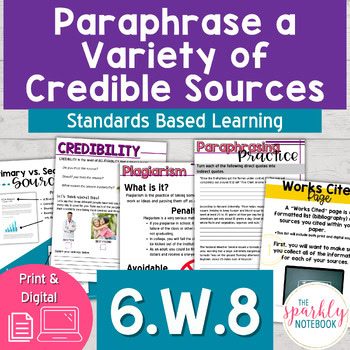
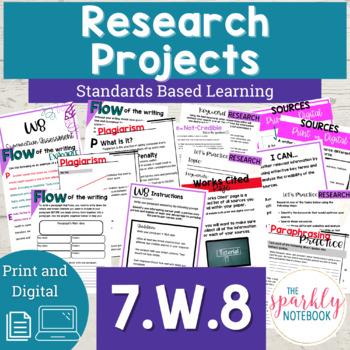
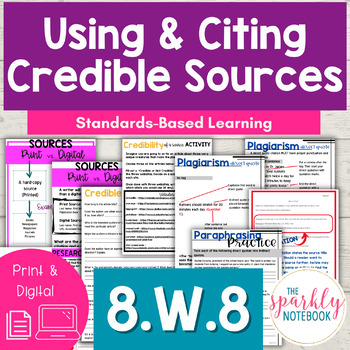
If you’re short on prep time, our Standards-Based Writing Units include ready-to-use formatting checklists, rubrics, and templates so you don’t have to reinvent them. Click on the image below to learn more about how we teach formatting in our 6th Grade, 7th Grade and 8th Grade W.8 Resources!
Students are more likely to care about formatting when they understand why it matters.
Talk about how professional presentation makes their writing stronger:
You can also connect this concept to other ELA skills—like publishing content online, covered in our post What 7th Graders Need to Know: Publishing Content Online.
That post explores how formatting and citation extend beyond essays into real-world writing, like blogs and digital publications.
Final Thoughts
You don’t have to dread teaching formatting. It’s all about making it approachable, purposeful, and practical.
By breaking it down into smaller chunks, giving students opportunities to apply what they’ve learned, and using the right tools and resources, you’ll find it’s not nearly as painful as it used to be (for either of you!).
So go ahead, and ditch the dread.
You might just find that teaching formatting isn’t so bad after all.